INSTITUTE OF FORESTRY
Kirtipur, Kathmandu, Nepal
Highlights
Kirtipur, Kathmandu, Nepal
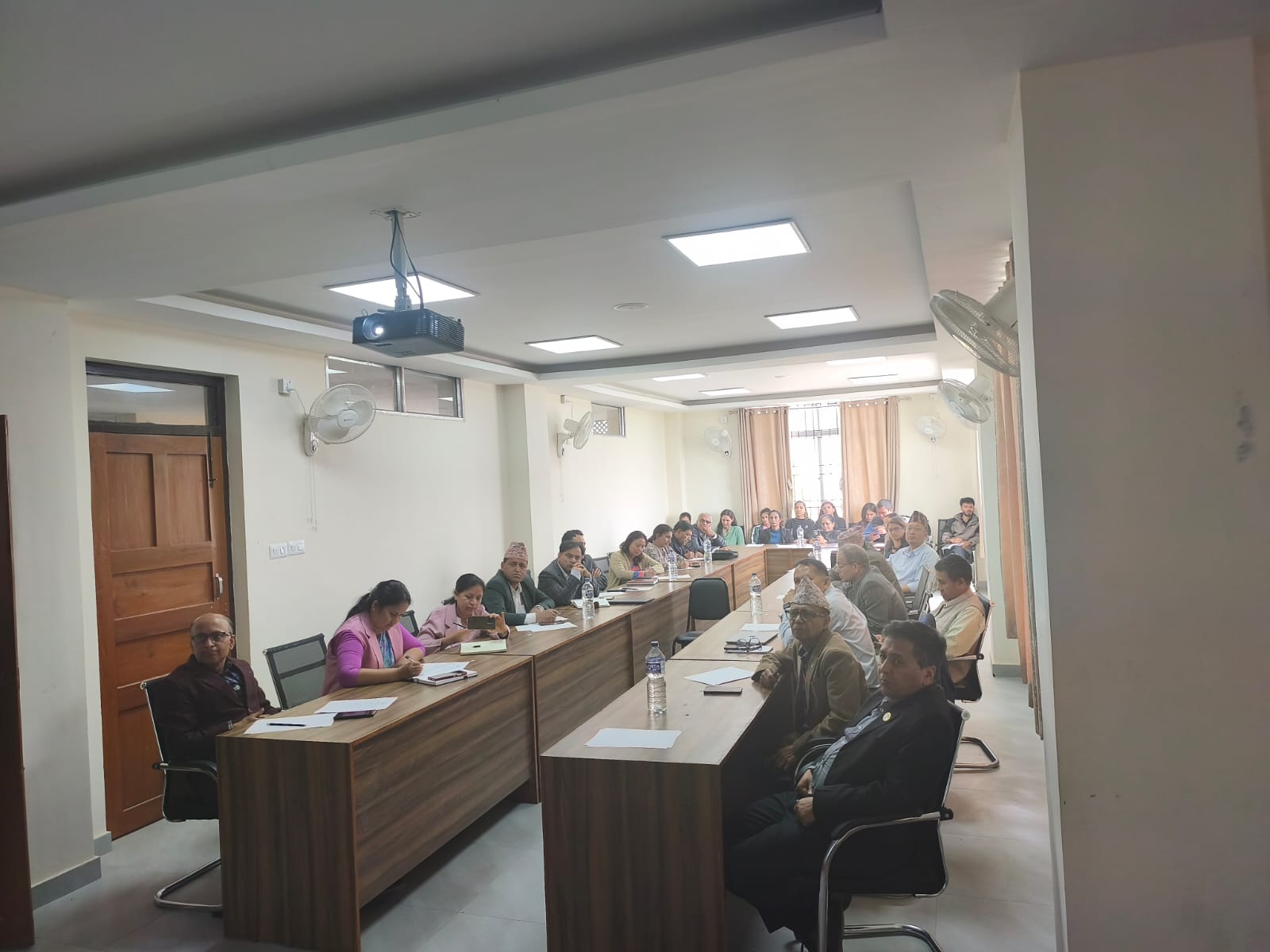
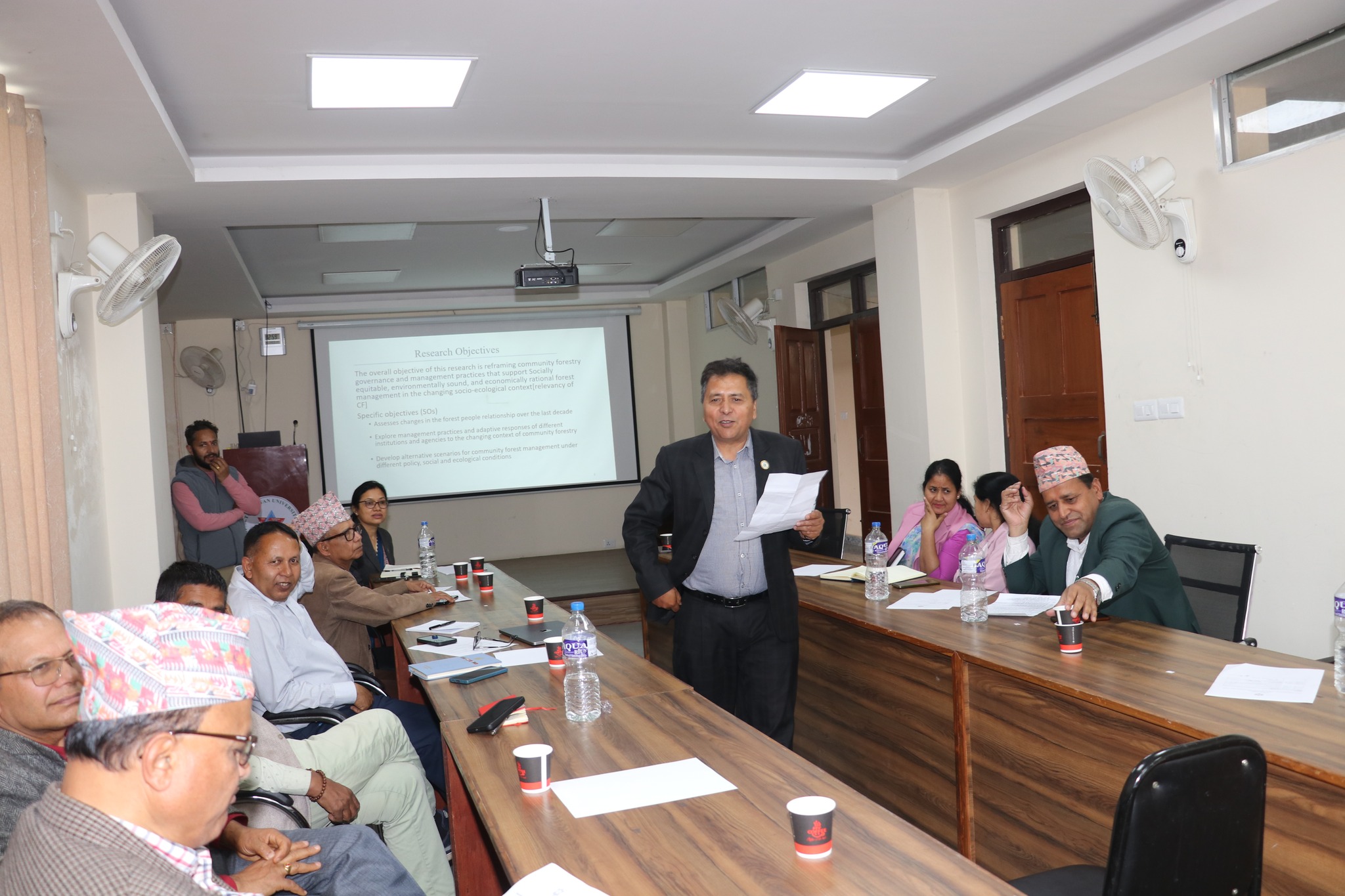
Kathmandu, April 1, 2026 - he Institute of Forestry (IOF), under Tribhuvan University, successfully organized an inception workshop on the theme “Socio-Ecological Dimensions of Community Forestry in the Changing Context of Nepal.” The event brought together a diverse group of stakeholders from academia, government agencies, development organizations, and community-based institutions to deliberate on emerging challenges and opportunities in Nepal’s community forestry sector.
The workshop commenced with opening remarks by Prof. Dr. Krishna Raj Tiwari, who highlighted the need to align forestry research with evolving socio-ecological realities. He emphasized collaborative research approaches and invited constructive inputs from participants to ensure the project remains inclusive and impactful.
Participants represented a wide range of institutions including academic bodies such as IOF and other affiliated colleges, government organizations like the Ministry of Forests and Soil Conservation and the Department of Forests, and international and national organizations such as HELVETAS, RECOFTC, FECOFUN, and AFFON. This multi-stakeholder presence enriched discussions with diverse perspectives.
Dr. Sony Baral from IOF presented key insights on the transformation of community forestry practices in Nepal. She noted a shift from traditional protection-oriented approaches to participatory and increasingly market-oriented models. She emphasized the importance of integrating economic dimensions into community forestry to sustain its relevance while maintaining ecological integrity.
Prof. Dr. Ishwar Koirala provided critical reflections on the project design, emphasizing methodological rigor and the importance of aligning research outputs with clearly defined objectives. He also stressed the need for a clear distinction between scientific findings and policy recommendations.
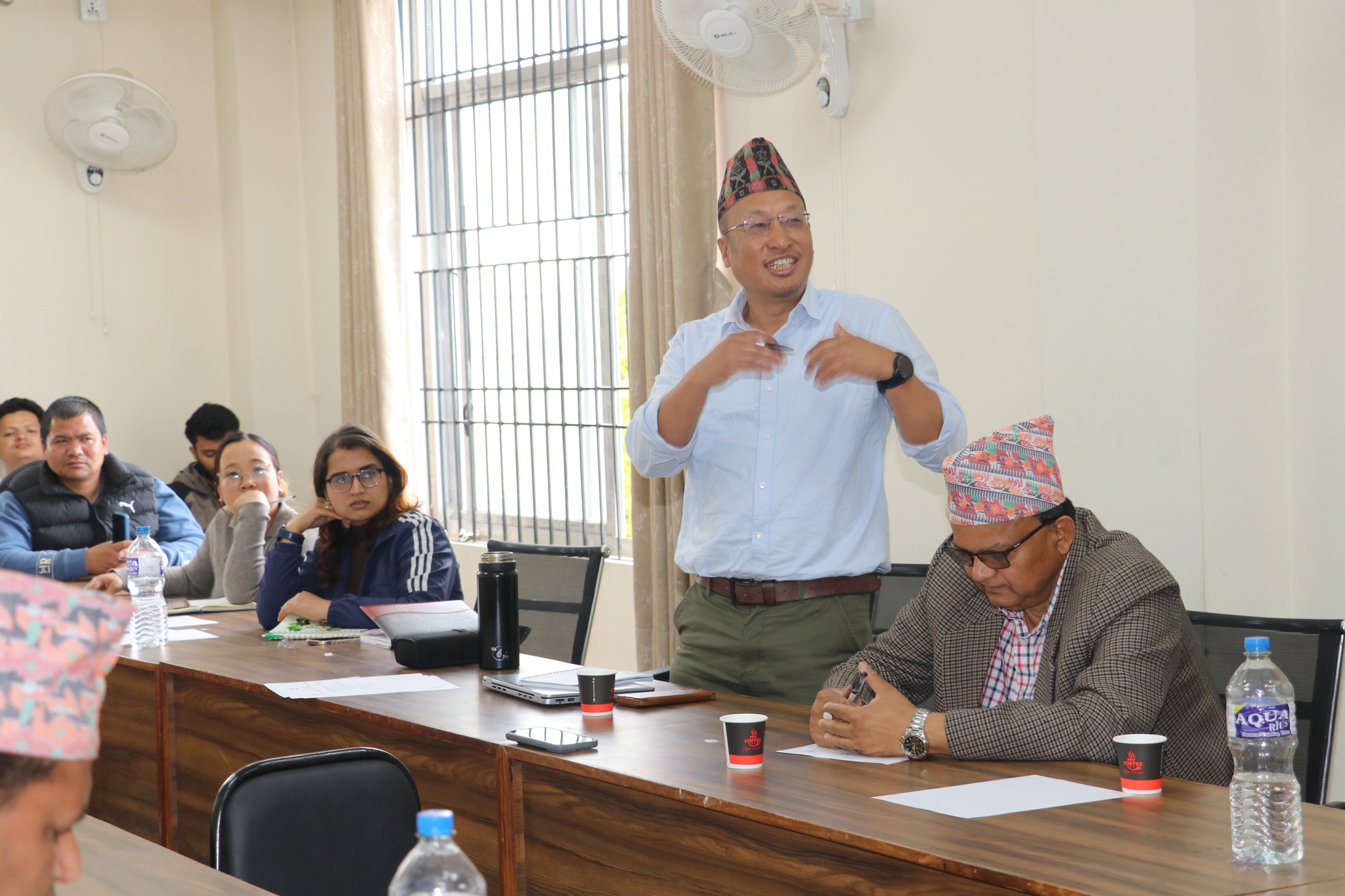
The workshop featured an engaging moderated discussion led by Prof. Dr. Bir Bahadur Khanal Chhetri. Participants raised important issues including sustainability challenges in government versus community forests, the need for active forest management, policy barriers to community forestry enterprises, and the role of cultural and social values in forest use.
Key recommendations emerging from the workshop included:
The workshop concluded with a shared understanding that forests should be viewed not only as ecological assets but also as socio-economic systems supporting local livelihoods. The project team committed to adopting a science-to-policy approach, ensuring that research findings are rigorously validated before informing policy and practice.
The inception workshop marks a significant step toward developing a comprehensive research framework that reflects the dynamic relationship between people and forests in Nepal.